

A face is not pulled —
it begins with being analyzed
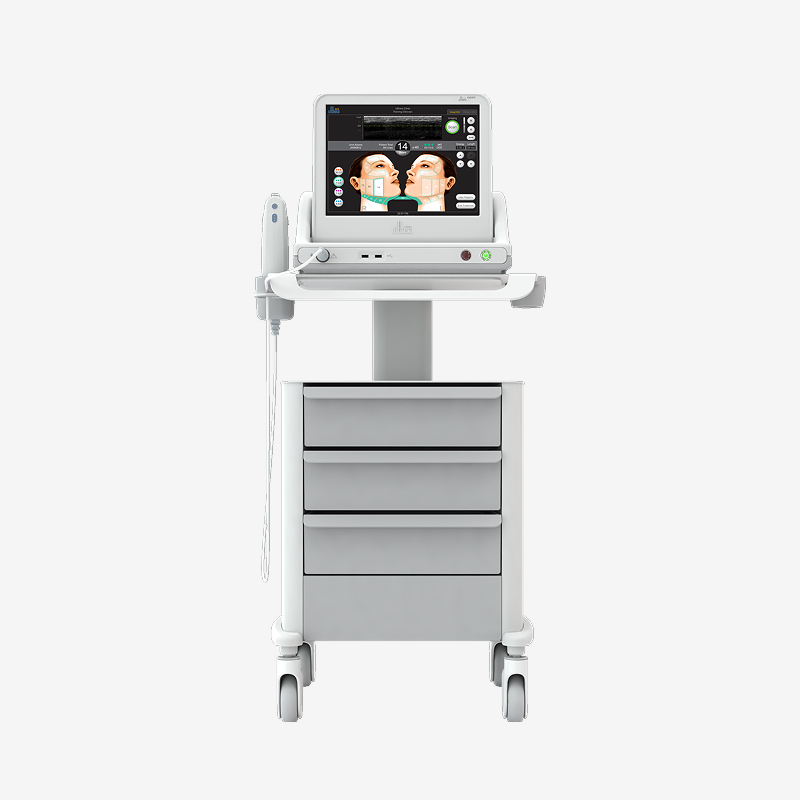
Based on 20 years of accumulated facial research, id's medical team comprehensively analyzes bone structure and the fat layer, the direction of sagging and even the movement of expressions. Rather than the number of threads, we precisely plan the direction of the pull and the anchoring points to complete a more natural and balanced lift.

Thread structures that differ by concern
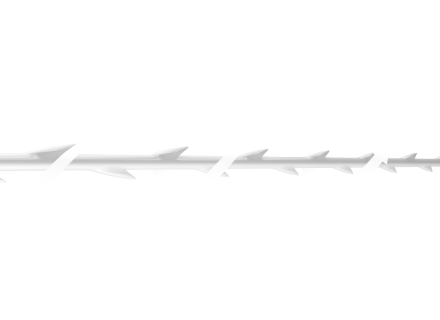
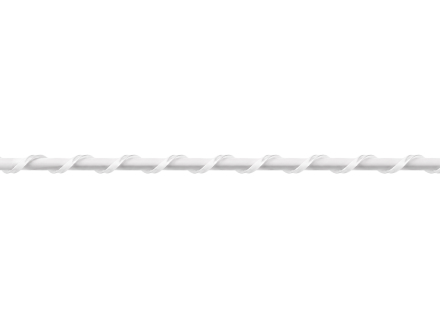
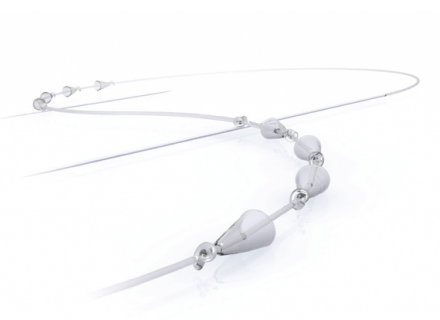
The threads used in thread lifting are classified by their surface form and the way they support tissue. From skin firmness to volume support and the repositioning of sagging tissue, we select the thread suited to the state of the face and the role it needs to play.
Mono thread
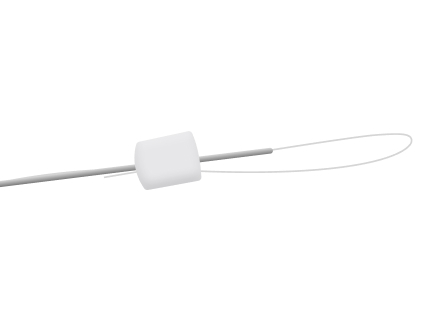
Barbed thread (cog thread)
Screw thread (spiral thread)
Cone thread (volume thread)
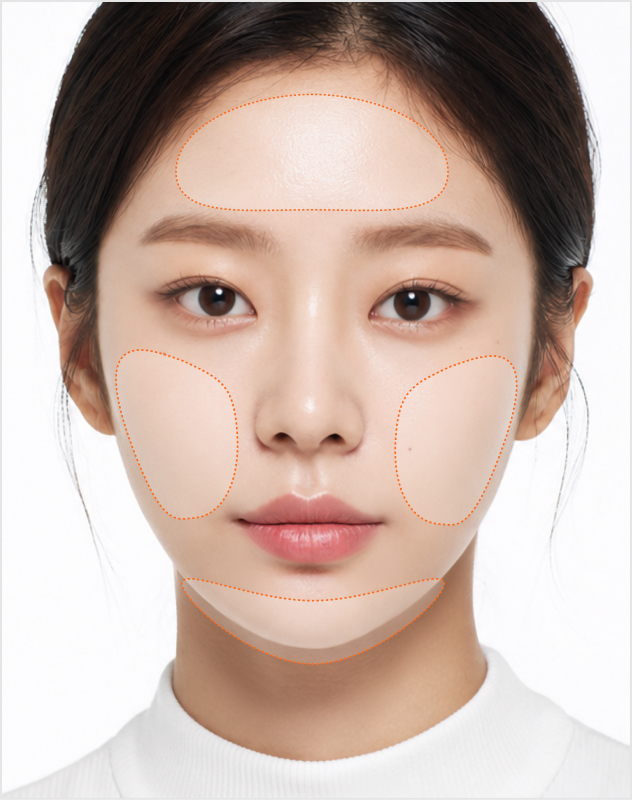
Which areas are treated?
- Forehead · brow line
- Temple area · front cheekbone · side cheek
- Nasolabial area · around the mouth · deep cheek
- Jawline · double chin · neck
Recommended For
Recommended For
- 01Those whose face has begun to sag — jawline, cheeks, nasolabial folds and more
- 02Those who want an immediate lifting effect without surgery
- 03Those concerned about a loss of skin firmness alongside sagging
- 04Those who felt device-based lifting (Ulthera, Shurink, etc.) was not enough
- 05Those who want to improve the line of specific areas such as a double chin or deep cheek
- 06Office workers and business owners looking for a treatment with short downtime
Process
The Same Protocol. Results Designed for You.
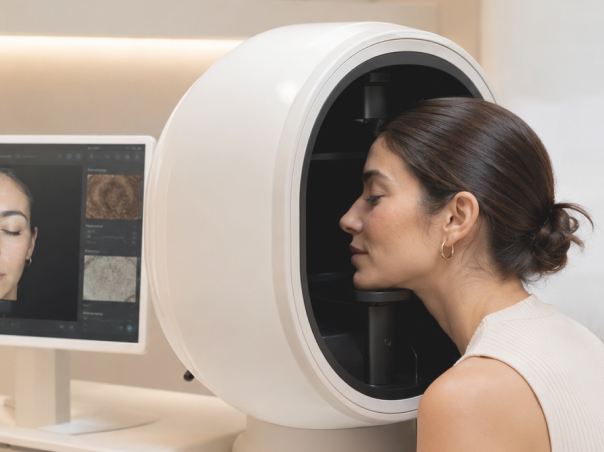
STEP 01
Consultation
A Pro Doctor evaluates your condition and develops a personalized treatment plan.
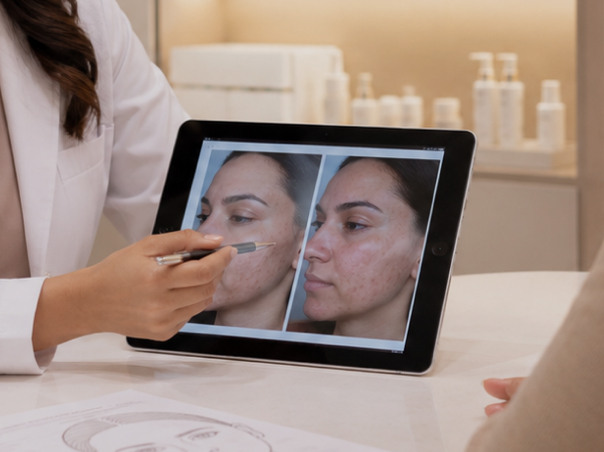
STEP 02
Assessment
Precise measurements and analysis determine the treatment area, intensity, and number of sessions.
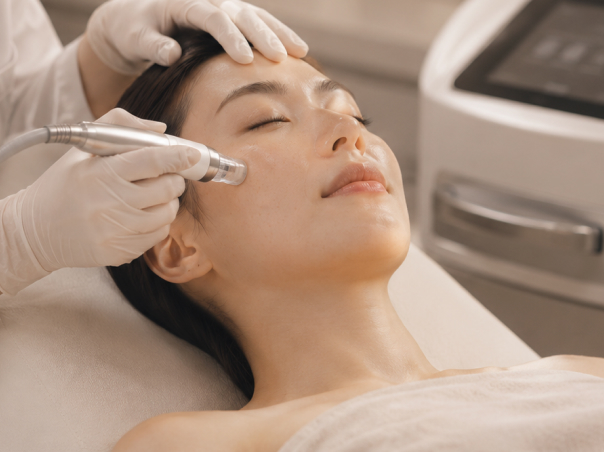
STEP 03
Treatment
Treatment is performed according to our established safety protocols.
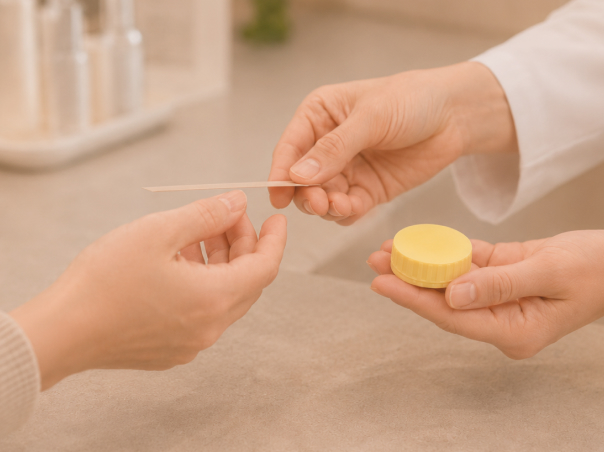
STEP 04
Post-Treatment Care
We monitor your results and provide guidance recovery and maintenance.
Precautions & Aftercare
Precautions & Post-Treatment Care
- Please tell the medical team in advance whether you are taking circulation-improving medication (anticoagulants) such as aspirin.
- Please avoid alcohol before the treatment as it can worsen bruising and swelling.
- A prior consultation is required if there is inflammation or a skin condition in the treatment area.
- Please be sure to tell us if you are pregnant or breastfeeding or have any specific condition or allergy.
- The anesthesia method is decided after a consultation, and the cost may vary depending on the method.
Why id
The id Clinic Standard
Authentic Equipment
We use only genuine medical devices approved by both the FDA and KFDA.
Safety First
Careful monitoring throughout the procedure allows us to deliver a safer treatment.
1:1 Personalized Treatment Design by Pro Doctors
Measurement-based, standardized treatment protocols designed for consistent results.


Related